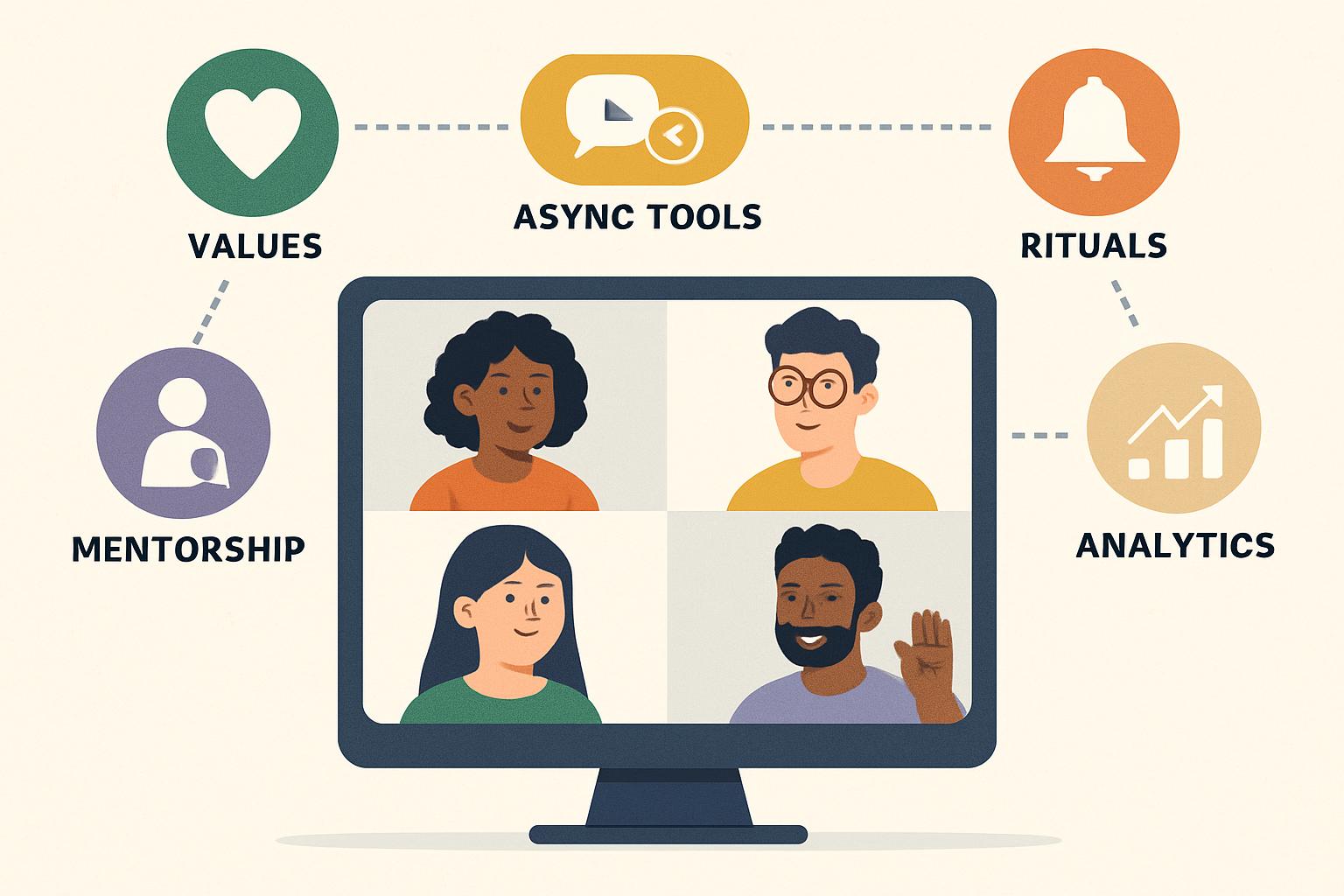
Creating a cohesive culture across miles of distance starts with intention. A remote-first culture unites people around shared values and daily practices—making distributed teams feel connected, motivated, and empowered. Here are seven proven strategies to bring your vision to life.
1. Define Clear Values and Expectations
At the heart of any culture are guiding principles. Remote teams need explicit statements on:
- Communication norms: Response times, preferred channels, and meeting etiquette.
- Decision making: Who owns what, and how feedback cycles work.
- Core values: Behaviors you celebrate (e.g., transparency, empathy, experimentation).
Document these in a living handbook that every hire reviews and updates.
2. Invest in Asynchronous Communication
Time zones and personal schedules vary. Encourage async tools like shared documents, discussion threads, and recorded presentations. This approach:
- Reduces meeting overload.
- Gives team members flexibility to contribute thoughtfully.
- Creates a searchable knowledge base.
Balance async with short, impactful live sessions for collaboration.
3. Embrace Inclusive Virtual Rituals
Recurring rituals help people feel part of something bigger. Examples include:
- Weekly wins: A quick round where everyone shares one success.
- Snapshot updates: Rotate ownership of a “Friday summary” email or chat thread.
- Social coffee breaks: Optional 15-minute video calls for nonwork chat.
Rotate hosts and formats to keep rituals fresh and inclusive.
4. Provide Robust Onboarding for Remote Hires
First impressions last. A structured onboarding ensures new hires feel supported:
- Pre–Day One setup with tool access and a welcome guide.
- Assigned mentor or buddy for Q&A and social connection (learn more).
- Clear 30-, 60-, and 90-day goals aligned with team objectives.
5. Use AI Tools to Streamline Hiring and Communication
AI-powered platforms can automate tedious tasks and surface the right talent faster. With Taluno’s AI tools, you can:
- Match candidates to culture fit and skill requirements.
- Automate interview scheduling across time zones.
- Monitor team sentiment with pulse surveys.
6. Support Professional Development and Mentorship
Encourage continuous growth by pairing team members for skill sharing. Structured mentorship programs:
- Boost employee engagement and retention.
- Accelerate onboarding and cross-team collaboration.
- Strengthen a learning mindset across the organization (details).
7. Measure Culture and Adapt
Culture isn’t static. Use regular check-ins to assess what’s working—and what isn’t:
- Pulse surveys: Short, anonymous surveys on engagement and belonging.
- One-on-one feedback: Encourage managers to solicit candid input.
- Data review: Evaluate turnover, participation in rituals, and tool usage.
Common mistakes: Survey fatigue, ignoring negative feedback, or failing to close the loop on action items.
Remote-First Culture Checklist
- Documented values and communication guidelines.
- Async-first collaboration tools in place.
- Recurring rituals with rotating hosts.
- Structured remote onboarding program.
- AI-driven hiring and team analytics tools.
- Mentorship and upskilling opportunities.
- Regular culture health assessments.
Building a remote-first culture is an ongoing journey, not a one-off project. Start by defining your values, involve your people in designing rituals, and leverage AI to stay connected and agile. With intention and the right tools, your distributed team can thrive—no matter where they work.
Next Step: Explore how Taluno’s AI-powered recruitment tools can help you hire, onboard, and engage remote talent seamlessly.